Dandelion Tea
Fresh Floral Spring Tea Made With Dandelion Petals
Introduction
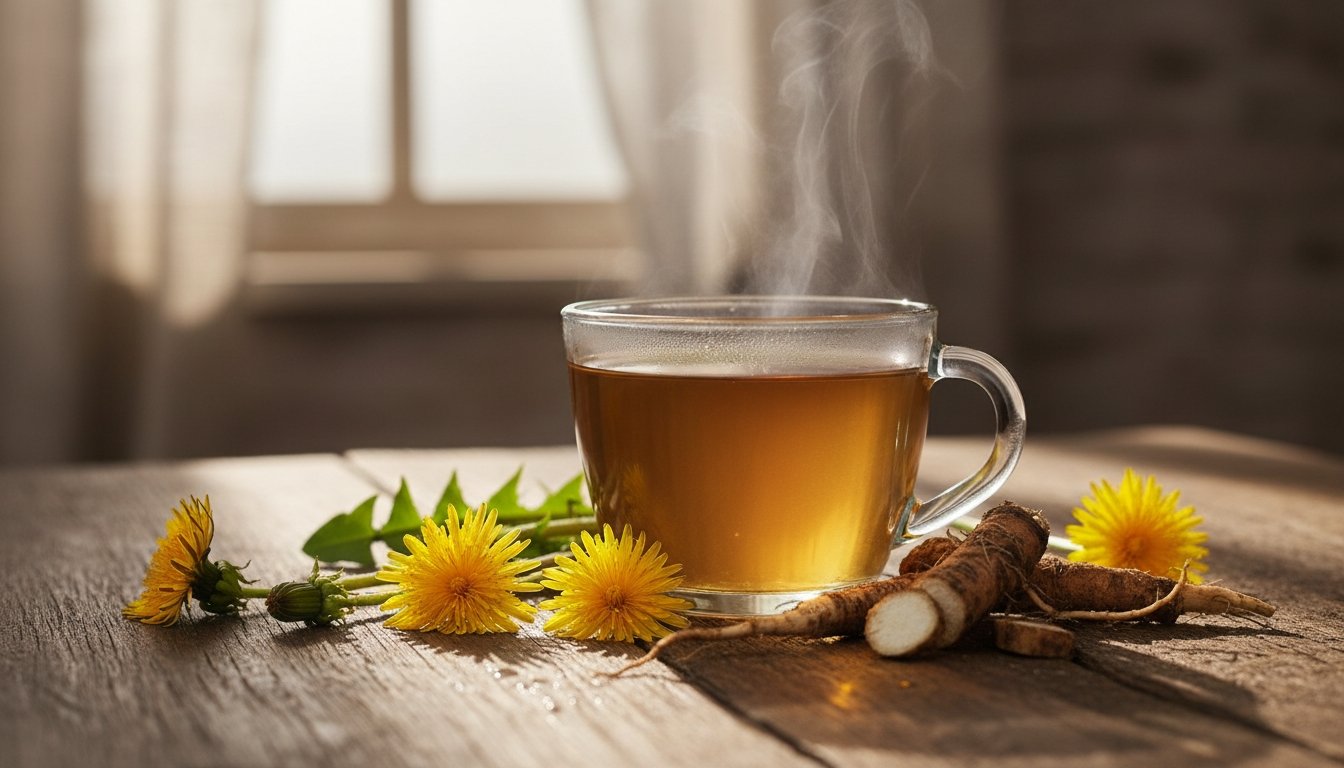
Dandelion tea is one of the simplest ways to enjoy edible dandelion flowers. This version uses only the yellow petals for the cleanest flavor, then balances the subtle floral notes with lemon and a little honey. The result is a pale golden tea that feels fresh, delicate, and calming without tasting grassy or bitter.
The best cup starts with clean blossoms gathered on a sunny day when the flowers are fully open. Removing the green bases matters because the petals are mild and lightly sweet, while the green parts can taste more bitter. This recipe can be served hot, chilled over ice, or used as the base for lemonade, syrup, or floral mocktails.

🌼 Pure Dandelion Leaves | Hojas Puras de Diente de León Carefully dried for authentic herbal tea infusions. Cuidadosamente secadas para auténticas infusiones herbales.
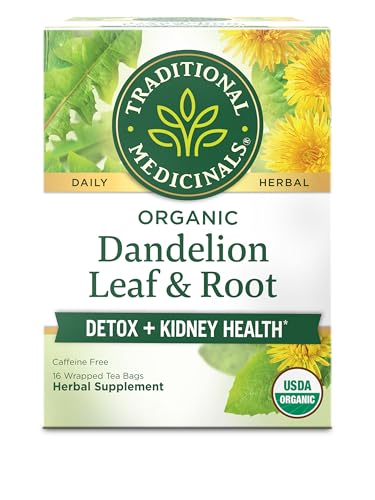

Premium Ingredients: We only choose premium dandelion leaves & roots as raw materials without any artificial additives or chemicals. Each tea bag is filled with hand-picked and expertly cut ingredients, guaranteeing a superior dandelion tea experience
Why You’ll Love This Recipe
- It uses a common spring ingredient in a way that feels intentional, useful, and delicious.
- The method is written for real home kitchens with clear timing, flavor cues, and safety notes.
- It explains which part of the dandelion to use and how to avoid bitterness, muddiness, or weak flavor.
- It includes serving ideas, storage guidance, variations, FAQs, image prompts, and SEO details.
Before You Pick Dandelions
Dandelions are edible from flower to leaf to root, but safe harvesting matters. Only use dandelions you can positively identify. Harvest from areas you know have not been sprayed with pesticides, herbicides, fertilizers, or lawn chemicals. Avoid roadsides, high-traffic public areas, and places where pets frequently walk.
For flower recipes, choose fully open yellow blossoms from a clean area. Remove as much green as practical when you want a delicate floral flavor.
After harvesting, sort carefully, rinse as needed, and dry well. Flowers are most flavorful when gathered on a sunny day after they have fully opened. Greens are usually mildest in early spring before hot weather makes them tougher and more bitter.
What This Recipe Tastes Like
Dandelion tea is a gentle, golden herbal tea made by steeping fresh yellow dandelion petals with lemon and honey for a lightly floral, springtime drink.
Dandelions can taste floral, earthy, grassy, bitter, or honey-like depending on which part of the plant you use. This recipe is designed to balance those natural flavors instead of hiding them. The goal is a finished dish that tastes good enough to make again, not just a novelty recipe.
Ingredients You’ll Need
- 1 cup fresh yellow dandelion petals, loosely packed
- 2 cups water
- 1 teaspoon fresh lemon juice
- 1 to 2 teaspoons honey or maple syrup, optional
- 1 thin lemon slice, optional
- Small pinch of fresh mint, optional
Ingredient Notes
Dandelions: Use clean, unsprayed dandelions only. The recipe works best when the yellow petals are fresh and carefully sorted.
Lemon juice: A small amount of lemon brightens both the flavor and the color of the tea.
Honey or maple syrup: Dandelion tea is mild on its own. A little sweetness helps bring out the flower’s light honey-like flavor.
Mint: Optional, but a small pinch adds freshness without overpowering the petals.
Equipment
- Kettle or small saucepan
- Fine mesh strainer
- Measuring cups
- Teapot or heatproof jar
- Mug
How to Make Dandelion Tea
- Harvest fully open dandelion flowers from a clean, unsprayed area.
- Pull or snip away the yellow petals and discard the green bases and stems.
- Rinse the petals briefly in cool water only if needed, then drain well.
- Bring 2 cups water just to a simmer, then remove from the heat.
- Add the dandelion petals, cover, and steep for 8 to 10 minutes.
- Strain through a fine mesh strainer.
- Stir in lemon juice and honey to taste.
- Serve hot, or chill and pour over ice.
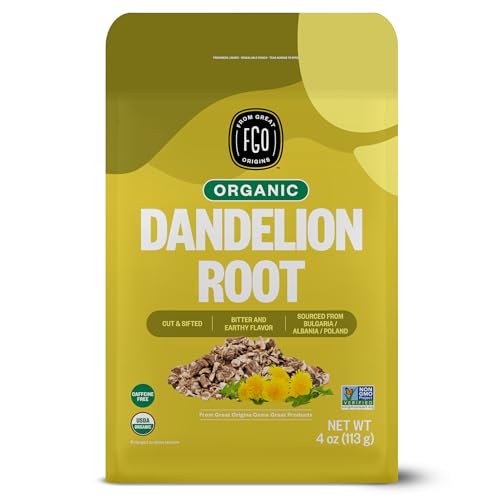
IMPORTED FROM Bulgaria - This bag contains certified organic, cut and sifted dandelion root from Bulgaria

Herbal Supplement The highest quality, pharmacopoeial grade herbs

Carefully Selected Ingredients:Sourced from trusted farms, The leaves and roots are carefully picked, delivering pristine, unadulterated flavor
Best Tips for Success
- Start with clean, unsprayed dandelions and discard anything wilted, damaged, or questionable.
- Taste as you go. Dandelions vary in bitterness depending on age, weather, and growing conditions.
- Use lemon, vinegar, salt, fat, or sweetness to bring the recipe into balance.
- Do not overcook delicate flower recipes; petals can lose their fresh floral quality.
- For a stronger tea, use more petals rather than a longer boil.
Variations
Iced dandelion tea: Chill the strained tea and serve over ice with lemon slices.
Mint dandelion tea: Add a few mint leaves during the last 2 minutes of steeping.
Dandelion green tea blend: Steep dandelion petals with a mild green tea bag for 2 to 3 minutes.
Dandelion lemonade base: Brew the tea stronger and use it as the base for homemade dandelion lemonade.
Sweet floral tea: Add honey while the tea is still warm so it dissolves smoothly.
Serving Suggestions
Serve dandelion tea warm in the morning or chilled in the afternoon. It pairs well with shortbread, muffins, scones, toast with honey, lemon desserts, and light spring breakfasts.
Suggested internal links to add later:
- Dandelion Jelly
- Dandelion Syrup
- Dandelion Lemonade
Storage and Make-Ahead Tips
Do not boil the petals aggressively or the tea can taste flat and vegetal. For a stronger tea, use more petals rather than a longer boil. A small squeeze of lemon brightens both the flavor and the color.
Prepared dandelion tea can be refrigerated for up to 2 days. Store it in a covered jar or pitcher and add lemon or sweetener just before serving for the freshest flavor.
Common Mistakes to Avoid
Using sprayed flowers: If you are not sure the area is clean, do not use the plant.
Leaving too much green in the tea: Green bases can make the tea taste bitter.
Boiling the petals hard: Gentle steeping gives a cleaner floral flavor.
Over-steeping: More time is not always better. If you want stronger tea, use more petals.
Skipping lemon: Lemon helps the flavor taste brighter and more complete.
Frequently Asked Questions
Q: What part of the dandelion is best for tea?
A: The yellow petals make the mildest floral tea. The roots and greens can also be used, but they create a more bitter, earthy drink.
Q: Can I use dried petals?
A: Yes. Use about 1/3 cup dried petals for 2 cups water.
Q: Does dandelion tea taste like honey?
A: It has a light floral flavor that can remind people of mild honey, especially when sweetened.
Q: Can I drink dandelion tea cold?
A: Yes. Chill it after steeping and serve it over ice with lemon.
Q: Can I use the whole flower head?
A: You can, but the tea will taste more bitter. For the cleanest flavor, use mostly yellow petals.
Final Thoughts
Dandelion tea is one of the best ways to turn dandelions into something memorable, practical, and genuinely enjoyable. The most important steps are choosing clean plants, using the right part of the dandelion, and balancing the plant’s natural floral, bitter, or earthy flavor with the right supporting ingredients.

Vibrant Lemon and Honey Flavor

ZESTY CITRUS FLAVOUR OF LEMON: Blended with the distinct flavour of ginger along with blackberry leaves, lemon peel and lemongrass; Naturally Caffeine Free Herbal, 100 Tea Bags

LEMON & GINGER TEA K-CUP PODS: One box of 24 Twinings Lemon & Ginger Tea Keuirg K-Cup Pods. A lively herbal tea made with spicy ginger and the tangy flavour of lemon.