Fresh Dandelion Lemonade With Floral Syrup
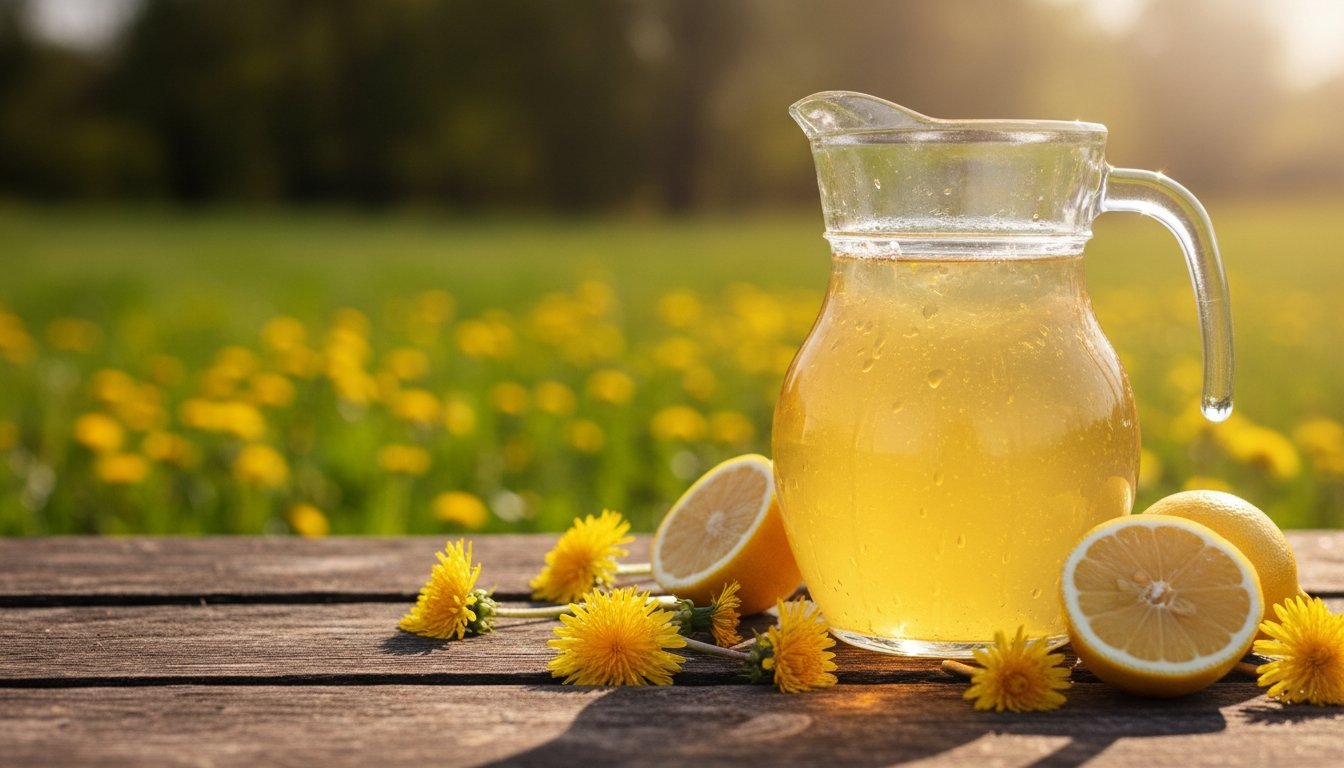
Dandelion lemonade is a bright, refreshing way to use dandelion petals without making a preserve. The flowers are steeped into a fragrant tea, sweetened into a quick syrup, then mixed with fresh lemon juice and cold water for a sunny drink that tastes lightly floral and citrusy.
This recipe is written for balance. Too much flower can taste grassy, too much sugar can hide the lemon, and too little acidity makes the drink flat. The finished lemonade should be crisp, cold, fragrant, and lightly golden.
Why You’ll Love This Recipe
- It uses a common spring ingredient in a way that feels intentional, useful, and delicious.
- The method is written for real home kitchens with clear timing, flavor cues, and safety notes.
- It explains which part of the dandelion to use and how to avoid bitterness, muddiness, or weak flavor.
- It includes serving ideas, storage guidance, variations, FAQs, a recipe card, image prompts, and SEO details.

FOUR-FLAVOR SYRUP SET – Lavender, Lychee, Hibiscus, and Rose simple syrups in 12.7 oz bottles for versatile, flavor-forward drinks.
ALL NATURAL Concentrated CHERRY BLOSSOM Flower Syrup - Made from the finest organic flowers and botanicals. No artificial flavors, colors, or preservatives. Gluten-free. Vegan.

-Real fruit, fresh juices, and natural spices come together to create rich, artisanal flavors in every bottle.
Before You Pick Dandelions
Dandelions are edible from flower to leaf to root, but safe harvesting matters. Only use dandelions you can positively identify. Harvest from areas you know have not been sprayed with pesticides, herbicides, fertilizers, or lawn chemicals. Avoid roadsides, high-traffic public areas, and places where pets frequently walk.
For flower recipes, choose fully open yellow blossoms from a clean area. Remove as much green as practical when you want a delicate floral flavor.
After harvesting, sort carefully, rinse as needed, and dry well. Flowers are most flavorful when gathered on a sunny day after they have fully opened. Greens are usually mildest in early spring before hot weather makes them tougher and more bitter.
What This Recipe Tastes Like
Dandelion lemonade combines fresh lemon juice with homemade dandelion tea syrup for a bright, floral, golden spring drink.
Dandelions can taste floral, earthy, grassy, bitter, or honey-like depending on which part of the plant you use. This recipe is designed to balance those natural flavors instead of hiding them. The goal is a finished dish that tastes good enough to make again, not just a novelty recipe.
Ingredients You’ll Need
- 2 cups fresh yellow dandelion petals
- 2 cups hot water
- 3/4 cup granulated sugar
- 3/4 cup fresh lemon juice
- 3 cups cold water
- 1 cup ice, plus more for serving
- Lemon slices, for garnish
- Fresh mint, optional
Ingredient Notes
Dandelions: Use clean, unsprayed dandelions only. The recipe works best when the plant part is fresh and carefully sorted.
Brightness: Lemon juice, vinegar, citrus zest, or fresh herbs help balance dandelion’s natural bitterness and earthiness.
Fat, sweetness, or salt: Olive oil, butter, cheese, honey, sugar, or salt can make dandelion recipes more balanced and familiar.
Freshness: Dandelions are best used soon after harvesting. If you cannot cook right away, refrigerate cleaned parts in a breathable container with a towel.
Equipment
- Pitcher
- Heatproof jar
- Fine mesh strainer
- Measuring cups
- Citrus juicer
- Spoon
How to Make Dandelion Lemonade
- Place clean dandelion petals in a heatproof jar.
- Pour hot water over the petals, cover, and steep for 20 minutes.
- Strain the tea into a pitcher while still warm.
- Stir in sugar until dissolved.
- Add fresh lemon juice and cold water.
- Chill for at least 1 hour.
- Taste and adjust with more lemon juice, sugar, or water.
- Serve over ice with lemon slices and mint.
Best Tips for Success
- Start with clean, unsprayed dandelions and discard anything wilted, damaged, or questionable.
- Taste as you go. Dandelions vary in bitterness depending on age, weather, and growing conditions.
- Use lemon, vinegar, salt, fat, or sweetness to bring the recipe into balance.
- Do not overcook delicate flower recipes; petals can lose their fresh floral quality.
- For greens, blanching is the easiest way to mellow strong bitterness.
- For roots, even chopping and patient roasting or steeping creates the best flavor.

Premium Lemon Powder with a tart and juicy freshly squeezed lemon flavor, made from fresh lemons grown in the fertile soil of the sustainable farm and freeze-dried to preserve both its nutrients and taste.

DANDELION, FRESH LEMON & STAR ANISE – Combines dandelion with fresh lemon and aromatic star anise for a distinctive citrus-herbal flavor with warm spice notes.
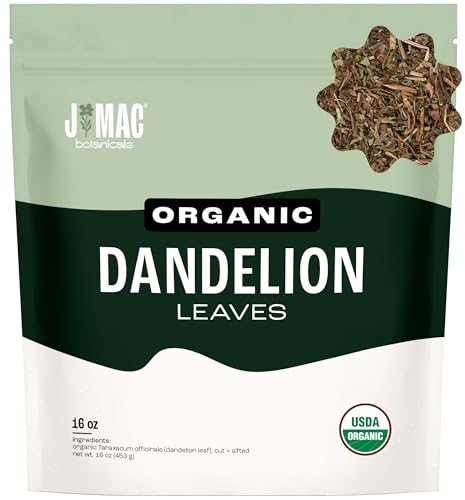
ORGANIC CERTIFIED DANDELION LEAF- J Mac Botanicals sources organic dandelion leaves from the mountainous border between Albania and Montenegro, a premium herb producing region for organic plants.
Variations
Milder version: Mix dandelion greens with spinach, lettuce, basil, parsley, or other mild ingredients.
More savory version: Add garlic, parmesan, toasted nuts, chili flakes, bacon, anchovy, or sautéed onions depending on the dish.
Brighter version: Add more lemon juice, lemon zest, apple cider vinegar, or fresh herbs.
Sweeter version: For drinks and desserts, increase honey, maple syrup, or sugar slightly, then balance with lemon.
Vegan version: Use olive oil, maple syrup, plant-based milk, or nutritional yeast where dairy or honey appears.
Serving Suggestions
Serve this recipe as part of a spring meal with simple, fresh flavors. It pairs especially well with lemony dishes, eggs, potatoes, toast, rice, pasta, beans, grilled chicken, roasted vegetables, herbal drinks, and light desserts.
Suggested internal links to add later:
- Dandelion Jelly
- Dandelion Syrup
- Dandelion Shortbread
Storage and Make-Ahead Tips
For a stronger floral flavor, steep up to 45 minutes, but avoid boiling the petals. For sparkling dandelion lemonade, replace 2 cups cold water with chilled sparkling water just before serving.
For the best flavor, label homemade dandelion recipes with the date made. Fresh cooked dishes are generally best within a few days, while infused pantry-style recipes should be stored according to the specific method in the recipe card. Fermented or pressurized drinks require extra caution and should be refrigerated once carbonated.
Common Mistakes to Avoid
Using sprayed flowers or greens: If you are not sure the area is clean, do not use the plant.
Leaving too much green in flower recipes: Green bases can add bitterness to tea, syrup, jelly, and baked goods.
Skipping the blanch for strong greens: Mature dandelion greens can be intense. Blanching gives you more control.
Overpromising preservation: Not every dandelion recipe is safe for shelf-stable storage. Use refrigerator storage unless you are following a tested canning process.
Not drying petals or greens: Extra water can dilute flavor and affect texture, especially in baking, frying, honey infusions, and pesto.
Recipe Card
Dandelion Lemonade
Description: Dandelion lemonade combines fresh lemon juice with homemade dandelion tea syrup for a bright, floral, golden spring drink.
Difficulty: Easy
Prep time: 25 minutes
Cook time: 5 minutes
Rest time: 1 hour
Temperature: Steeping water
Servings: 6
Serving size: 1 cup
Calories: 110 calories
Estimated cost: $5
Best season: Spring, Summer
Ingredients
- 2 cups fresh yellow dandelion petals
- 2 cups hot water
- 3/4 cup granulated sugar
- 3/4 cup fresh lemon juice
- 3 cups cold water
- 1 cup ice, plus more for serving
- Lemon slices, for garnish
- Fresh mint, optional
Instructions
- Place clean dandelion petals in a heatproof jar.
- Pour hot water over the petals, cover, and steep for 20 minutes.
- Strain the tea into a pitcher while still warm.
- Stir in sugar until dissolved.
- Add fresh lemon juice and cold water.
- Chill for at least 1 hour.
- Taste and adjust with more lemon juice, sugar, or water.
- Serve over ice with lemon slices and mint.
Notes
For a stronger floral flavor, steep up to 45 minutes, but avoid boiling the petals. For sparkling dandelion lemonade, replace 2 cups cold water with chilled sparkling water just before serving.
Frequently Asked Questions
Q: Can I make this ahead?
A: Yes. Make it up to 2 days ahead and keep refrigerated.
Q: Can I use bottled lemon juice?
A: Fresh lemon juice tastes best for lemonade.
Q: Can I make it less sweet?
A: Yes. Start with 1/2 cup sugar and adjust to taste.
Final Thoughts
Dandelion Lemonade is one of the best ways to turn dandelions into something memorable, practical, and genuinely enjoyable. The most important steps are choosing clean plants, using the right part of the dandelion, and balancing the plant’s natural floral, bitter, or earthy flavor with the right supporting ingredients.
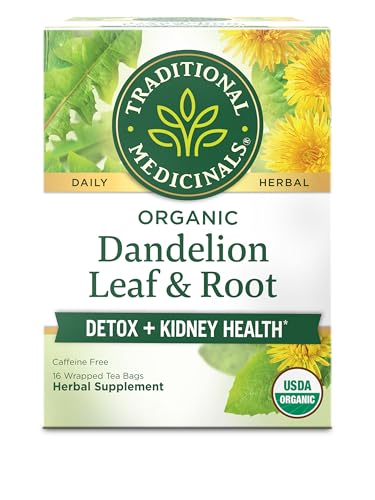

Herbal Supplement The highest quality, pharmacopoeial grade herbs
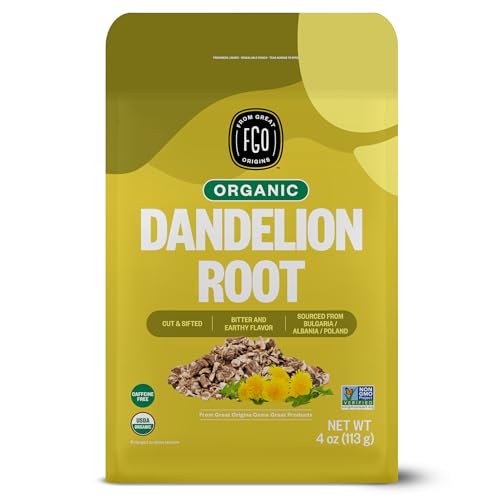
IMPORTED FROM Bulgaria - This bag contains certified organic, cut and sifted dandelion root from Bulgaria