Peppery Dandelion Green Pesto With Lemon and Walnuts
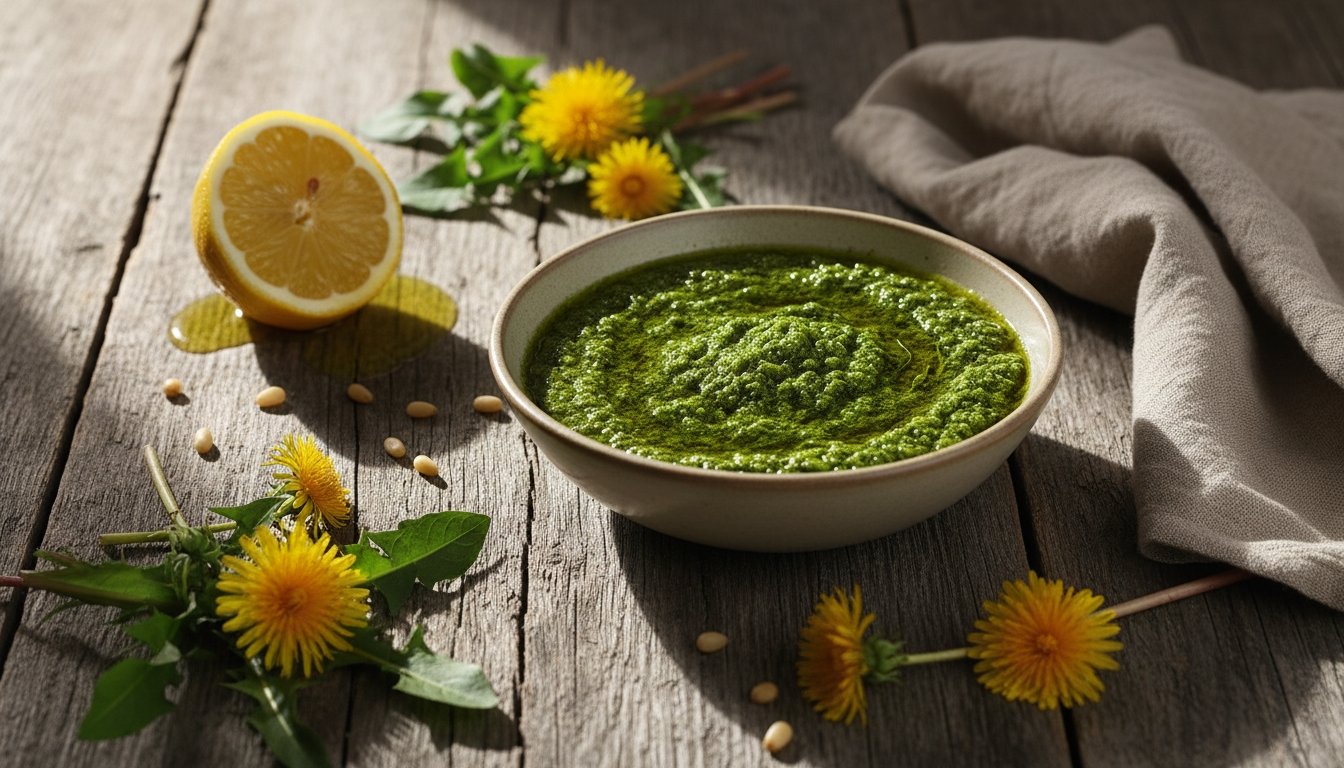
Dandelion pesto is a smart way to turn bitter spring greens into a versatile sauce. Blanching the greens first keeps the pesto bright while softening the bitterness, and blending them with basil, walnuts, parmesan, lemon, and olive oil creates a bold sauce for pasta, sandwiches, eggs, potatoes, and roasted vegetables.
This version is balanced rather than harsh. Basil adds sweetness, walnuts add body, lemon adds freshness, and parmesan adds savory depth. Use it anywhere you would use traditional pesto when you want a more seasonal, earthy flavor.
Why You’ll Love This Recipe
- It turns bold dandelion greens into a versatile sauce.
- Blanching helps soften bitterness and improves color.
- Basil, lemon, walnuts, parmesan, and olive oil create balance.
- It works on pasta, toast, eggs, vegetables, potatoes, and sandwiches.
- It freezes well in small portions.


Before You Pick Dandelions
Dandelions are edible from flower to leaf to root, but safe harvesting matters. Only use dandelions you can positively identify. Harvest from areas you know have not been sprayed with pesticides, herbicides, fertilizers, or lawn chemicals. Avoid roadsides, high-traffic public areas, and places where pets frequently walk.
For greens recipes, choose young, tender leaves whenever possible. Older greens can still be excellent when blanched, cooked with garlic and olive oil, or paired with lemon, eggs, cheese, potatoes, or pasta.
Wash greens thoroughly and remove tough stems before blanching.
What This Recipe Tastes Like
Dandelion pesto blends blanched dandelion greens with basil, walnuts, parmesan, lemon, and olive oil for a bold spring sauce.
The pesto tastes peppery, earthy, bright, nutty, and savory. It is stronger than basil pesto, but the basil and lemon keep it fresh and balanced.
Ingredients You’ll Need
- 3 cups packed dandelion greens, tough stems removed
- 1 cup packed fresh basil
- 1/2 cup toasted walnuts
- 1/2 cup grated parmesan cheese
- 1 small garlic clove
- 1 tablespoon lemon juice
- 1 teaspoon lemon zest
- 1/2 teaspoon salt
- 1/4 teaspoon black pepper
- 1/2 cup extra-virgin olive oil, plus more as needed
Ingredient Notes
Dandelion greens: Blanching makes them milder and easier to blend.
Basil: Adds sweetness and a familiar pesto flavor.
Walnuts: Give the pesto body and richness.
Parmesan: Adds salt and umami.
Lemon: Brightens the sauce and balances bitterness.
Olive oil: Use enough to make the pesto loose and spoonable.
Equipment
- Food processor
- Pot
- Colander
- Ice bath bowl
- Measuring cups
- Jar
How to Make Dandelion Pesto
- Bring a pot of salted water to a boil.
- Blanch dandelion greens for 1 to 2 minutes, then transfer to ice water.
- Drain well and squeeze dry.
- Add greens, basil, walnuts, parmesan, garlic, lemon juice, lemon zest, salt, and pepper to a food processor.
- Pulse until finely chopped.
- With the machine running, drizzle in olive oil until the pesto is smooth but still textured.
- Taste and adjust with more lemon, salt, or olive oil.
- Use immediately or store in a jar with a thin layer of olive oil on top.
Best Tips for Success
- Squeeze the blanched greens very dry.
- Use a small garlic clove so the raw garlic does not overpower the pesto.
- Toast the walnuts for better flavor.
- Add olive oil gradually until the texture looks right.
- Taste and adjust with salt and lemon.
- Store with a thin layer of olive oil on top to reduce browning.

Vegetarian: Made without any meat, poultry or seafood
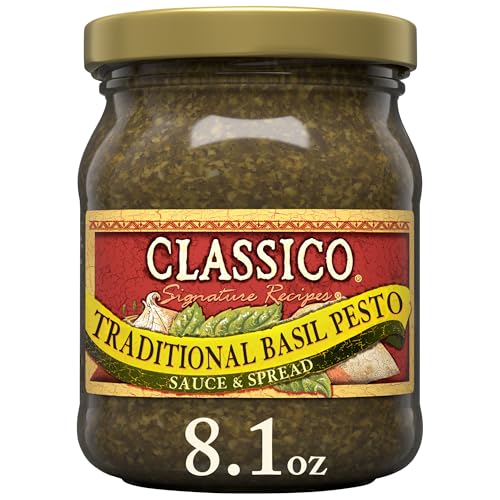
CLASSICO PESTO SAUCE: One 8.1 oz jar of Classico Signature Recipes Traditional Basil Pesto Sauce and Spread
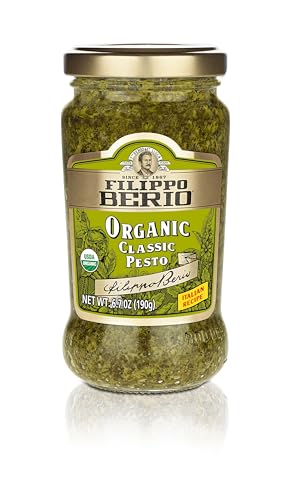
AUTHENTIC RECIPE: produced in Liguria, Italy, the original home of pesto, our dedication to authentic recipes sets these flavors apart and would make our illustrious founder proud.
Variations
Vegan dandelion pesto: Replace parmesan with nutritional yeast.
Nut-free pesto: Use sunflower seeds or pumpkin seeds.
Extra herb pesto: Add parsley, mint, or chives.
Spicy pesto: Add red pepper flakes.
Creamy pesto sauce: Stir pesto into a little pasta water, cream, or ricotta.
Serving Suggestions
Serve dandelion pesto with pasta, roasted potatoes, grilled chicken, fish, eggs, sandwiches, grain bowls, beans, crostini, or roasted vegetables.
Suggested internal links to add later:
- Sautéed Dandelion Greens
- Dandelion Green Pasta
- Dandelion Salad
Storage and Make-Ahead Tips
Squeeze the blanched greens very dry so the pesto does not taste watery. For a vegan version, replace parmesan with nutritional yeast or omit it and add extra salt.
Store in the refrigerator for up to 5 days with a thin layer of olive oil on top. Freeze in ice cube trays for longer storage.
Common Mistakes to Avoid
Skipping the blanch: Raw dandelion greens can make the pesto too bitter.
Leaving water in the greens: Excess moisture makes pesto thin and dull.
Adding too much garlic: Raw garlic can overpower the sauce.
Underseasoning: Dandelion pesto needs enough salt and lemon.
Blending too long: Overprocessing can make the texture pasty.
Frequently Asked Questions
Q: Do I have to blanch the greens?
A: Blanching is recommended because it softens bitterness and helps the pesto stay bright.
Q: Can I freeze dandelion pesto?
A: Yes. Freeze in small portions or ice cube trays, then transfer to a freezer bag.
Q: What nuts work best?
A: Walnuts, almonds, pine nuts, and sunflower seeds all work.
Q: Can I make this vegan?
A: Yes. Use nutritional yeast instead of parmesan.
Q: What can I use dandelion pesto on?
A: Use it on pasta, toast, eggs, potatoes, roasted vegetables, sandwiches, and grilled meats.
Final Thoughts
Dandelion pesto is one of the most practical dandelion recipes because it turns a bold green into a flexible sauce. The key is balance: blanch the greens, add basil and lemon, use enough olive oil, and season confidently.

AMALFI COAST INSPIRED: This Lemon Pesto Sauce is inspired by a classic pasta dish from Italy's sun-drenched Amalfi coast, where lemon is a celebrated staple of local cuisine.

Mantova Lemon Basil Pesto is all-natural, high-quality ingredients and non-GMO