Garlicky Sautéed Dandelion Greens With Lemon
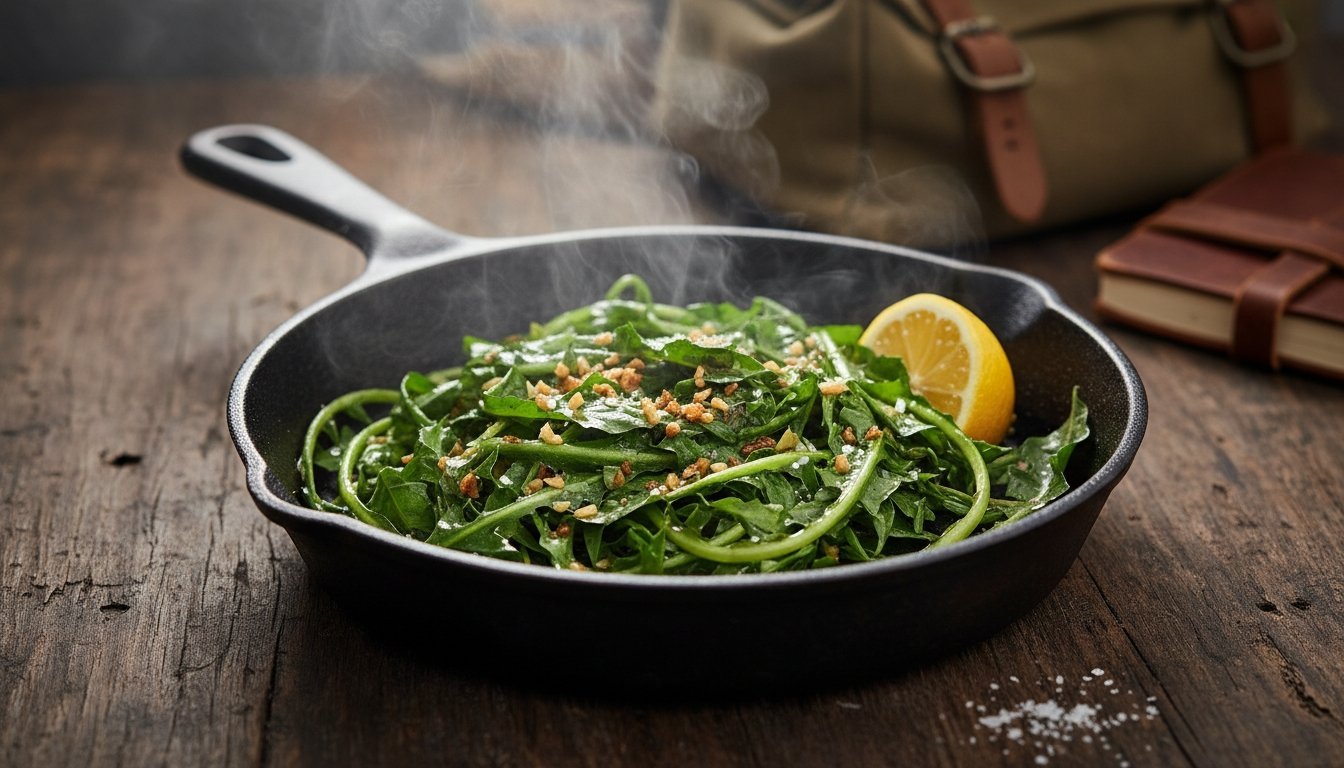
Sautéed dandelion greens can be absolutely delicious when treated like other bold greens. The trick is to blanch them first, especially if they are mature or strongly bitter, then sauté with garlic, olive oil, lemon, and a pinch of chili flakes. The result is savory, bright, and pleasantly earthy.
This recipe uses a two-step method for the best texture and flavor. A quick boil softens the greens and removes some bitterness, while the skillet finish adds richness and aroma. Serve them beside eggs, chicken, beans, pasta, polenta, or toasted bread.
Why You’ll Love This Recipe
- It shows you how to cook dandelion greens so they taste balanced, not harsh.
- Blanching reduces bitterness and improves texture.
- Garlic, olive oil, lemon, and chili flakes make the greens savory and bright.
- It works as a simple side dish or as a base for pasta, eggs, beans, or toast.
- It is one of the most useful dandelion green recipes to master.

![Bitter: A Taste of the World's Most Dangerous Flavor, with Recipes [A Cookbook]](https://m.media-amazon.com/images/I/51jH-yXTWvL._SL500_.jpg)

Proactive Heart Health Support: Feel confident in your daily wellness routine. Our unique formula, crafted by doctors and scientists, is designed to work in harmony with your body to support one of its most vital systems: your heart. It is your daily partner in maintaining cardiovascular wellness and healthy circulation.
Before You Pick Dandelions
Dandelions are edible from flower to leaf to root, but safe harvesting matters. Only use dandelions you can positively identify. Harvest from areas you know have not been sprayed with pesticides, herbicides, fertilizers, or lawn chemicals. Avoid roadsides, high-traffic public areas, and places where pets frequently walk.
For greens recipes, choose young, tender leaves whenever possible. Older greens can still be excellent when blanched, cooked with garlic and olive oil, or paired with lemon, eggs, cheese, potatoes, or pasta.
Wash greens very well. Dandelion leaves grow close to the soil and can hold grit.
What This Recipe Tastes Like
Sautéed dandelion greens are blanched to mellow bitterness, then cooked with olive oil, garlic, lemon, and red pepper flakes for a simple spring side dish.
The flavor is similar to other bitter greens such as chicory, escarole, or broccoli rabe. Garlic and olive oil add richness, while lemon keeps the finished dish bright.
Ingredients You’ll Need
- 1 pound dandelion greens, washed well
- 1 tablespoon salt, for blanching water
- 2 tablespoons olive oil
- 3 cloves garlic, thinly sliced
- 1/4 teaspoon red pepper flakes, optional
- 1/2 teaspoon kosher salt, plus more to taste
- 1 tablespoon fresh lemon juice
- 1 teaspoon lemon zest
- Black pepper, to taste
Ingredient Notes
Dandelion greens: Young greens are milder. Mature greens should be blanched a little longer.
Garlic: Thin slices give the oil flavor without burning too quickly.
Olive oil: Helps round out the bitterness.
Red pepper flakes: Optional, but the gentle heat works well with bitter greens.
Lemon juice and zest: Brightness is essential for a balanced final dish.
Equipment
- Large pot
- Colander
- Large skillet
- Tongs
- Knife
- Cutting board
How to Make Sautéed Dandelion Greens
- Trim tough stems from the dandelion greens.
- Wash greens in several changes of cool water until grit is gone.
- Bring a large pot of salted water to a boil.
- Add the greens and boil 2 to 4 minutes for young greens or 5 to 7 minutes for mature greens.
- Drain, rinse briefly under cool water, and squeeze out excess moisture.
- Chop the greens into bite-size pieces.
- Heat olive oil in a large skillet over medium heat.
- Add garlic and red pepper flakes and cook 30 to 60 seconds until fragrant.
- Add the chopped greens and salt. Sauté 3 to 5 minutes until glossy and tender.
- Stir in lemon juice and zest. Season with black pepper and serve warm.
Best Tips for Success
- Wash the greens more than once to remove grit.
- Blanch mature greens before sautéing.
- Squeeze the greens dry so they sauté instead of steam.
- Do not burn the garlic.
- Finish with lemon juice after cooking for the freshest flavor.
- Taste before serving and adjust salt, lemon, and pepper.

Striking Aesthetics: Garnet Stem Dandelion features vivid red stems that contrast beautifully with its green leaves. Flavor Profile: This variety offers a characteristic...
Variations
Italian-style greens: Add toasted breadcrumbs and parmesan.
Spicy greens: Increase the red pepper flakes.
Greens with beans: Add white beans or chickpeas after sautéing the garlic.
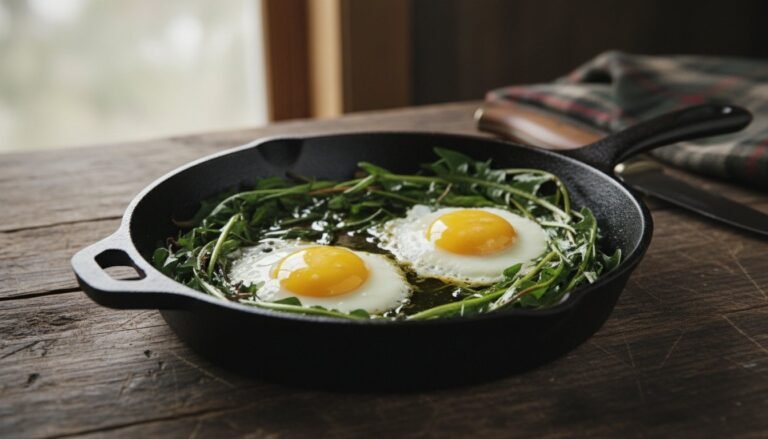
Greens with eggs: Top with fried or poached eggs.
Vegan main dish: Serve over polenta, rice, or pasta with toasted nuts.
Serving Suggestions
Serve sautéed dandelion greens with grilled chicken, fish, pork chops, roasted potatoes, eggs, beans, pasta, polenta, or crusty bread.
Suggested internal links to add later:
- Dandelion Salad
- Dandelion Pesto
- Dandelion Green Pasta
Storage and Make-Ahead Tips
Changing the blanching water once can mellow very bitter greens even more. Do not skip squeezing out excess water before sautéing or the greens will steam instead of sizzle.
Store leftovers in an airtight container in the refrigerator for up to 3 days. Reheat in a skillet with a splash of olive oil or water.
Common Mistakes to Avoid
Skipping the wash: Grit can ruin the texture.
Skipping the blanch with mature greens: Older greens can be too bitter without it.
Not squeezing out water: Wet greens steam and taste diluted.
Burning garlic: Burned garlic makes the dish taste harsh.
Underseasoning: Bitter greens need salt, acid, and fat.
Frequently Asked Questions
Q: Are dandelion greens bitter?
A: They can be. Young spring greens are milder, while older greens are more bitter. Blanching or pairing them with lemon, garlic, fat, eggs, or cheese balances the flavor.
Q: Can I use store-bought dandelion greens?
A: Yes. Store-bought greens are convenient and usually larger. Trim tough stems and blanch if needed.
Q: How should I wash them?
A: Separate the leaves, soak in cool water, swish well, drain, and repeat until no grit remains.
Q: Do I have to blanch them?
A: If the greens are young and mild, you can skip blanching. For mature or bitter greens, blanching is strongly recommended.
Q: What do sautéed dandelion greens taste like?
A: They taste earthy, pleasantly bitter, garlicky, and bright from the lemon.
Final Thoughts
Sautéed dandelion greens are one of the best foundational dandelion recipes. Once you know how to blanch, squeeze, and sauté them, you can use them in pasta, eggs, soups, beans, toast, and grain bowls.

Celery has straight green stalks with rigid ribs that are crisp and juicy

Micro Ingredients offers a full-spectrum Super Greens Powder in a natural original flavor. A blend of 100 different superfoods. Includes greens, fruits, vegetables, mushrooms, and probiotics.